
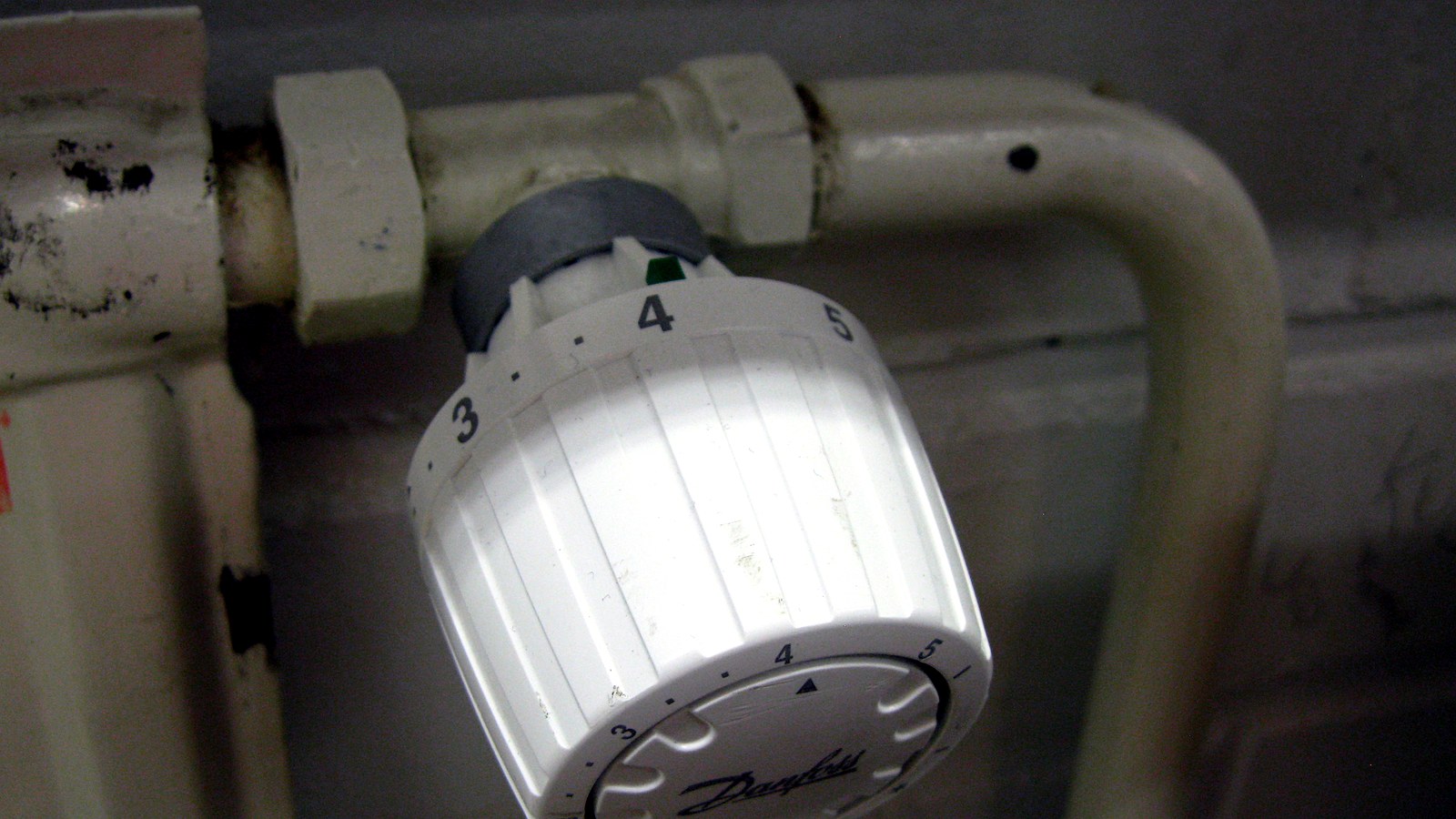
Thermostatic radiator valves explained is written for ordinary UK households that want a practical decision, not a dramatic claim. The aim is to show where radiator controls, reflectors and heating checks can help, where it will disappoint, and what to check before a retailer page or affiliate link starts steering the choice.
Affiliate note for Thermostatic radiator valves explained: Home Current may earn a commission from some links connected with radiator accessories. The checks below are written around room fit, safety, maintenance and realistic limits before commission is considered.
Thermostatic radiator valves explained: the practical answer
The sensible answer for Thermostatic radiator valves explained is to start with the room and the routine. With radiator controls, reflectors and heating checks, a useful purchase should either make a load visible, make a routine easier to control, reduce an obvious loss, manage moisture or improve comfort without adding a new daily nuisance. If it cannot do one of those jobs in heated rooms with uneven comfort, it is probably not the first thing to buy.
For Thermostatic radiator valves explained, avoid reading a product page as a promise. Read it as a set of assumptions: what the home is like, how often the item runs, who uses it, and what has already been fixed. That keeps the decision useful for flats, terraces, semi-detached homes and rented rooms where the same product can behave differently.
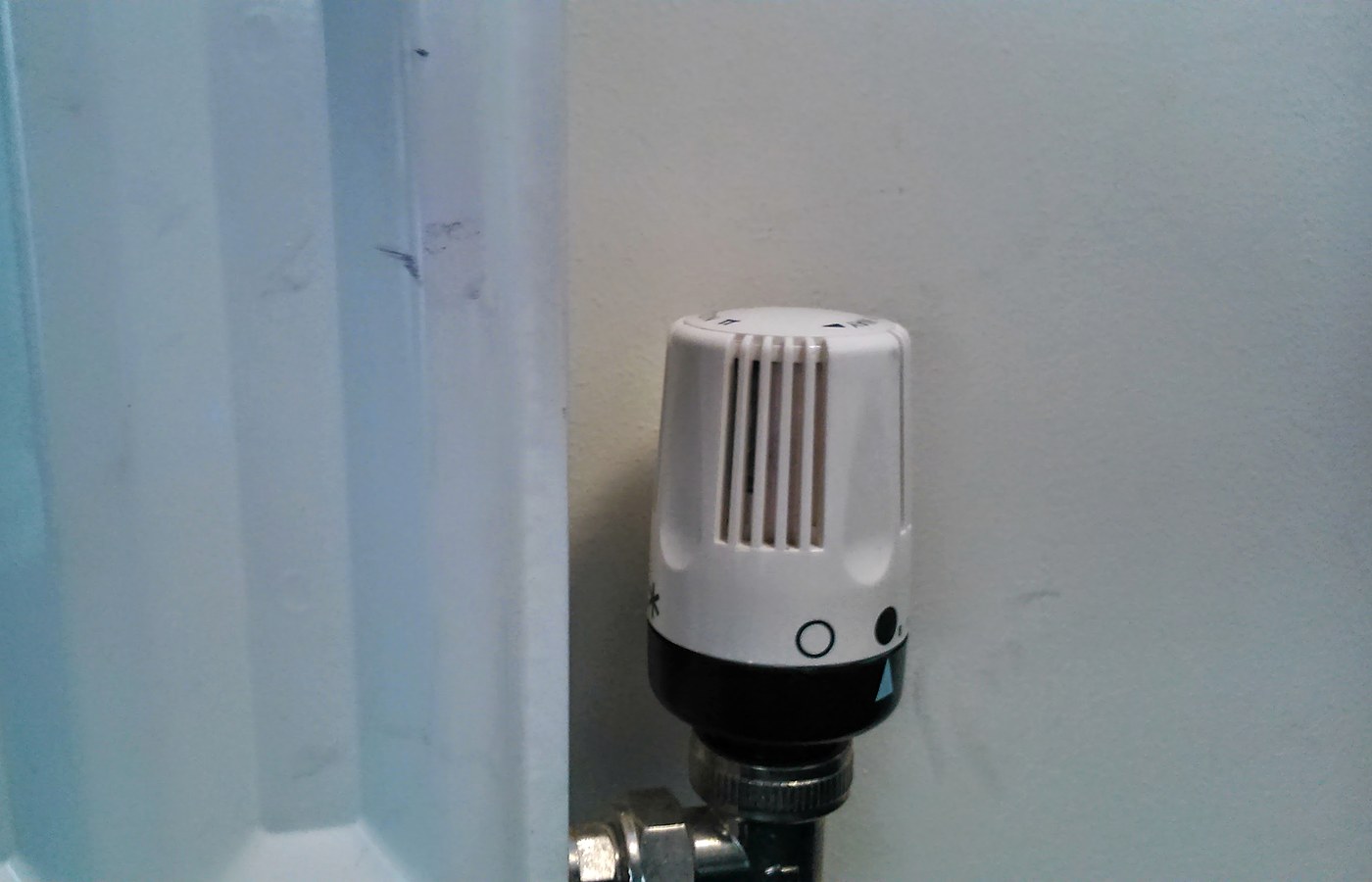
Where radiator accessories makes sense in a UK home
Scenario 1: a bedroom that overheats while the lounge stays cool. In this situation, thermostatic radiator valves explained should be judged by whether it makes that one room easier to run. The product does not need to solve the whole house; it needs to remove one source of confusion, discomfort or wasted effort.
Scenario 2: a radiator on an outside wall in an older terrace. In this situation, thermostatic radiator valves explained should be judged by whether it makes that one room easier to run. The product does not need to solve the whole house; it needs to remove one source of confusion, discomfort or wasted effort.
Scenario 3: a rented room where removable changes are preferred. In this situation, thermostatic radiator valves explained should be judged by whether it makes that one room easier to run. The product does not need to solve the whole house; it needs to remove one source of confusion, discomfort or wasted effort.
For Thermostatic radiator valves explained, this room-first approach also helps renters. If the next step involves drilling, rewiring, pipe work or a landlord repair, keep the shopping list separate from the permission or maintenance issue. Smaller removable products are often useful, but they should not hide a problem that belongs with the building.
Checks before you compare radiator accessories listings
- For Thermostatic radiator valves explained, check whether the radiator heats evenly first. If this point is unclear, pause before comparing prices because the cheapest listing may still be the wrong fit.
- For Thermostatic radiator valves explained, check wall type behind the radiator. If this point is unclear, pause before comparing prices because the cheapest listing may still be the wrong fit.
- For Thermostatic radiator valves explained, check valve access and existing TRV type. If this point is unclear, pause before comparing prices because the cheapest listing may still be the wrong fit.
- For Thermostatic radiator valves explained, check curtains, sofas and shelves blocking heat movement. If this point is unclear, pause before comparing prices because the cheapest listing may still be the wrong fit.
- For Thermostatic radiator valves explained, check tenant permission for valve work. If this point is unclear, pause before comparing prices because the cheapest listing may still be the wrong fit.
- For Thermostatic radiator valves explained, check whether bleeding or balancing is the real issue. If this point is unclear, pause before comparing prices because the cheapest listing may still be the wrong fit.
Use these checks for Thermostatic radiator valves explained before reading star ratings. Reviews can show common annoyances, but they rarely describe your socket position, room moisture, radiator layout, tenancy limits or household routine. A good comparison for radiator controls, reflectors and heating checks starts with fit, then moves to price.
Limits, safety and maintenance for radiator controls, reflectors and heating checks
Limitation for Thermostatic radiator valves explained: does not fix a cold radiator or trapped air. This is why Home Current avoids turning radiator controls, reflectors and heating checks into a guaranteed saving claim. The useful question is whether the product improves a specific decision in a specific room.
Limitation for Thermostatic radiator valves explained: does not replace boiler repair or safe heating checks. This is why Home Current avoids turning radiator controls, reflectors and heating checks into a guaranteed saving claim. The useful question is whether the product improves a specific decision in a specific room.
Limitation for Thermostatic radiator valves explained: can be cancelled out by blocked airflow. This is why Home Current avoids turning radiator controls, reflectors and heating checks into a guaranteed saving claim. The useful question is whether the product improves a specific decision in a specific room.
Limitation for Thermostatic radiator valves explained: may require permission in rented homes. This is why Home Current avoids turning radiator controls, reflectors and heating checks into a guaranteed saving claim. The useful question is whether the product improves a specific decision in a specific room.
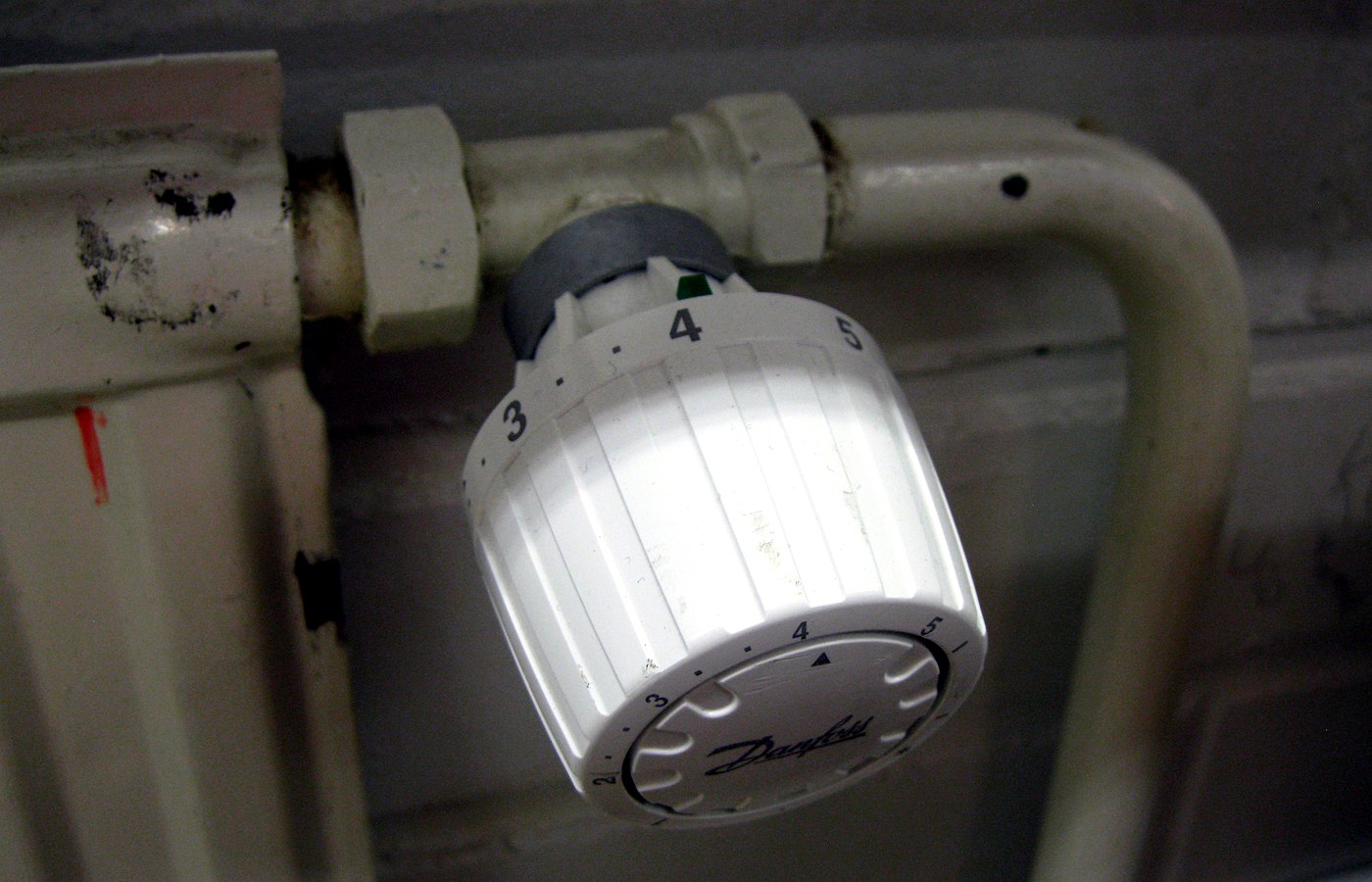
Mistakes that make radiator accessories less useful
- With Thermostatic radiator valves explained, avoid buying reflectors before checking the radiator works. The fix is to write down the room, device, user and constraint before buying.
- With Thermostatic radiator valves explained, avoid covering a TRV with curtains or furniture. The fix is to write down the room, device, user and constraint before buying.
- With Thermostatic radiator valves explained, avoid expecting one valve setting to suit every room. The fix is to write down the room, device, user and constraint before buying.
- With Thermostatic radiator valves explained, avoid ignoring gurgling, cold spots or pressure changes. The fix is to write down the room, device, user and constraint before buying.
A second mistake in Thermostatic radiator valves explained is over-precision. Wattage, capacity, litres per day, schedules and cost estimates can all look decisive, but they only matter when the assumptions are visible. For radiator controls, reflectors and heating checks, a modest product used correctly can be more useful than a complicated product that nobody in the household wants to maintain.
How to read retailer claims about radiator accessories
For Thermostatic radiator valves explained, treat phrases such as low running cost, fast results or easy installation as prompts for checking details, not as proof. Confirm model numbers, dimensions, included accessories, warranty wording, returns policy and any compatibility notes. If two retailers appear to describe the same item but list different accessories or sizes, assume the listing needs more checking.
In Thermostatic radiator valves explained, Home Current does not invent test scores, engineer endorsements, household case studies or annual saving figures for radiator controls, reflectors and heating checks. Product pages, tariffs and stock change. The editorial job is to explain what would make the purchase sensible, what would make it risky, and when not buying yet is the calmer answer.
Further reading for radiator controls, reflectors and heating checks
- energysavingtrust.org.uk – use this alongside retailer pages when thermostatic radiator valves explained touches safety, consumer rights or energy context.
Related Home Current guides
- From Thermostatic radiator valves explained, read How to choose practical home energy products without exaggerated savings claims to avoid a common shortcut before adding another item to the shortlist.
- From Thermostatic radiator valves explained, read How to compare running cost claims on product pages to choose the safer next step before adding another item to the shortlist.
- From Thermostatic radiator valves explained, read Our home energy review method and scoring policy to compare the next room question before adding another item to the shortlist.
- From Thermostatic radiator valves explained, read Best smart plugs for lamps, heaters and home offices to check a different product limit before adding another item to the shortlist.
- From Thermostatic radiator valves explained, read Common home energy product mistakes to avoid to separate measurement from buying before adding another item to the shortlist.
Reader questions about radiator accessories
Should I check the radiator before buying accessories?
For Thermostatic radiator valves explained, question 1 depends on the room, the existing routine and the limit you are trying to remove. If radiator accessories does not make the next decision clearer, it is not the right first step.
Where do reflector panels make most sense?
For Thermostatic radiator valves explained, question 2 depends on the room, the existing routine and the limit you are trying to remove. If radiator accessories does not make the next decision clearer, it is not the right first step.
Can TRVs lower bills by themselves?
For Thermostatic radiator valves explained, no product category should be treated as a guaranteed lower-bill promise. Use radiator accessories only when the room fit, hours of use and maintenance burden are clear.
Editorial position on radiator controls, reflectors and heating checks
The most useful conclusion for Thermostatic radiator valves explained may be a shortlist, a room check, a repair request or no purchase yet. That is intentional. Home Current is built for practical UK household decisions, so the guide favours clear fit, visible limits and disclosed affiliate links over inflated claims.